Welcome! This 2013 Ford Edge owner’s manual provides vital information for safe operation, maintenance, and enjoying your vehicle’s features․
Accessing the manual, often available as a PDF, ensures you understand all aspects of your Edge, from basic controls to detailed specifications․
Published in September 2013, with fourth printings, this guide details everything about your vehicle, offering insights into its capabilities and proper care․
Overview of the Vehicle
The 2013 Ford Edge represents a compelling blend of style, performance, and versatility within the mid-size crossover SUV segment․ This vehicle was produced during a period of economic growth and increasing domestic energy production, reflecting a sense of optimism and progress․ As detailed in available owners manuals and resources, the Edge offers a comfortable and spacious interior, designed to accommodate both passengers and cargo effectively․
Understanding the vehicle’s core features, as outlined in the 2013 edition manual, is crucial for maximizing its potential․ The manual, often found as a downloadable PDF, provides comprehensive guidance on everything from basic operation to advanced system functionalities․ It’s a valuable resource for both new owners and those seeking to deepen their understanding of their Ford Edge․
The 2013 model year Edge was manufactured with attention to detail, and the owners manual serves as a testament to Ford’s commitment to providing owners with the information needed for a safe and enjoyable driving experience․
Understanding This Owner’s Manual
This 2013 Ford Edge Owner’s Manual is your primary resource for understanding and operating your vehicle․ Published in September 2013 (DT4J 19A321 AA, Fourth Printing), it contains essential information regarding safety, operation, maintenance, and warranty details․ Familiarize yourself with its contents to ensure a safe and enjoyable driving experience․
The manual is structured to provide clear and concise explanations, often available as a convenient PDF download․ Pay close attention to warning labels and cautions, as they highlight potential hazards․ Understanding the dashboard symbols and indicators, detailed within, is vital for monitoring your vehicle’s performance․
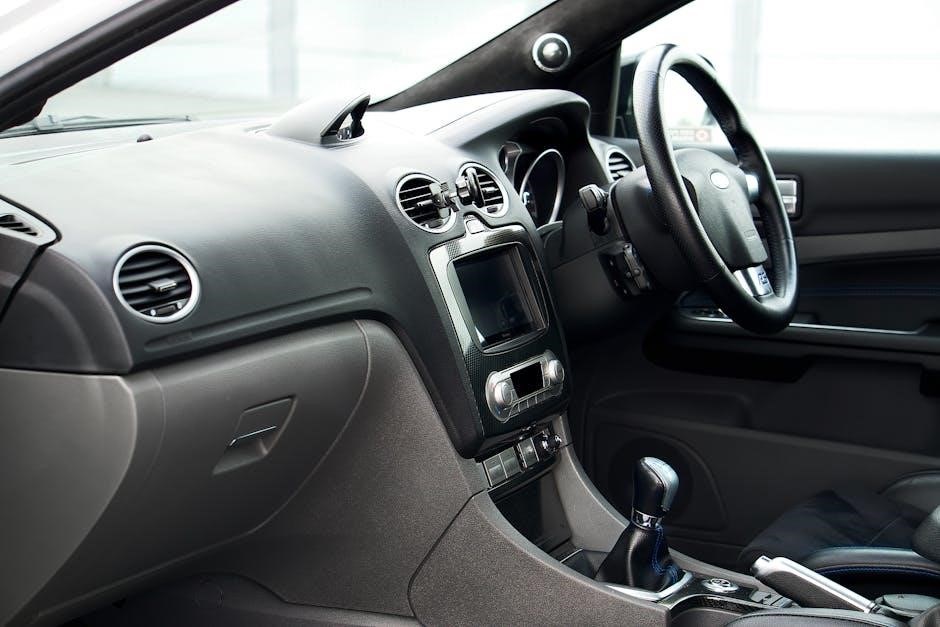
Errors and omissions are excepted, as noted by Ford Motor Company․ This guide is designed to assist you in maximizing the benefits of your 2013 Edge, offering insights into its features and proper care․ Regularly referencing this manual will contribute to the longevity and reliability of your vehicle․

Vehicle Features & Controls
Explore your 2013 Ford Edge’s capabilities! This section details everything from dashboard symbols to the climate control system, enhancing your driving experience․
Dashboard Symbols and Indicators
Understanding the symbols illuminating your 2013 Ford Edge’s dashboard is crucial for safe and informed driving․ Your owner’s manual meticulously details each indicator, categorizing them by severity – from warnings requiring immediate attention to informational lights․
Critical warnings, often displayed in red or flashing, signal potential mechanical issues like low oil pressure, overheating, or brake system malfunctions․ Ignoring these can lead to significant damage or compromise safety․
Amber or yellow indicators typically signify conditions needing attention soon, such as low fuel, tire pressure monitoring system (TPMS) alerts, or a malfunctioning sensor․ Addressing these promptly prevents escalation․
Informational lights, usually green or blue, provide updates on system status – for example, cruise control engagement or headlight activation․ Familiarizing yourself with these ensures you’re always aware of your vehicle’s operational state․
The manual provides visual representations of each symbol, alongside clear explanations of their meaning and recommended actions․ Regularly consulting it fosters a deeper understanding of your Edge’s communication system․
Seat Adjustments and Safety Belts
Proper seating position and safety belt usage are paramount for occupant safety in your 2013 Ford Edge․ The owner’s manual provides detailed instructions on adjusting both front and rear seats for optimal comfort and support․
Front seats typically offer multiple adjustments – including fore/aft position, height, tilt, and lumbar support – allowing drivers and passengers to find their ideal driving posture․ Correct adjustment maximizes visibility and control․
Safety belts are designed to restrain occupants during a collision, significantly reducing the risk of injury․ The manual emphasizes the importance of wearing belts correctly – snugly across the hips and shoulder – for all occupants on every trip․
Additional features like adjustable head restraints and child safety seat anchors are also explained, ensuring the secure transport of passengers of all ages․ Understanding these systems is vital for responsible vehicle operation․
Always refer to the manual for specific instructions related to your Edge’s seat and safety belt configurations, prioritizing safety and comfort for everyone inside․
Climate Control System
Your 2013 Ford Edge is equipped with a sophisticated climate control system designed to maintain a comfortable cabin environment for both driver and passengers․ The owner’s manual details the operation of this system, covering heating, ventilation, and air conditioning (HVAC) functions․
Manual controls allow you to adjust temperature, fan speed, and airflow direction․ Understanding these settings enables personalized comfort levels․ Some models may feature automatic temperature control, maintaining a set temperature without constant adjustment․
The manual explains how to operate the defroster and defogger functions, crucial for clear visibility in adverse weather conditions․ It also details the recirculation mode, which can improve cooling efficiency and air quality․
Maintenance tips, such as replacing the cabin air filter, are included to ensure optimal system performance․ Proper care extends the life of the system and maintains air quality․ Refer to the manual for specific maintenance schedules․
Familiarize yourself with all climate control features for a comfortable and safe driving experience in your 2013 Ford Edge․
Audio System and Connectivity
The 2013 Ford Edge offers a range of audio and connectivity features, detailed within your owner’s manual․ The system typically includes an AM/FM radio, a CD player, and auxiliary input for connecting external devices․ Many models also feature Bluetooth connectivity for hands-free calling and audio streaming․
The manual explains how to operate the audio controls, including volume, tuning, and source selection․ It also details the use of steering wheel-mounted controls for convenient operation while driving․ Understanding these controls enhances your driving experience․
If equipped, the navigation system integrates with the audio system, providing turn-by-turn directions and points of interest․ The manual provides instructions on programming and using the navigation features․
Connectivity options may include USB ports for connecting and charging devices․ The manual outlines compatibility and usage guidelines․ Proper use ensures seamless integration of your devices with the vehicle’s system․
Explore the full capabilities of your 2013 Ford Edge’s audio and connectivity features for entertainment and convenience on the road․

Navigation System (If Equipped)
If your 2013 Ford Edge is equipped with a navigation system, the owner’s manual provides comprehensive instructions for its operation․ The manual details how to input destinations, utilizing address, points of interest, or coordinates․ It explains the system’s map display, route guidance, and voice prompts․
Understanding the navigation system’s menu structure is crucial․ The manual guides you through settings for map view, route preferences (fastest, shortest, etc․), and traffic avoidance․ It also explains how to update the map data, ensuring accurate and current information․

The manual covers troubleshooting common issues, such as GPS signal loss or incorrect route calculations․ It details how to utilize the system’s help functions and provides contact information for support․
Integration with the audio system is also explained, allowing for voice guidance through the vehicle’s speakers․ Familiarize yourself with these features for a safer and more enjoyable driving experience․
Properly utilizing the navigation system enhances your journey, providing efficient and reliable route guidance․

Driving Your 2013 Ford Edge
Before driving, consult your 2013 Ford Edge owner’s manual for essential instructions on starting, stopping, steering, braking, and understanding driving modes․
Starting and Stopping the Engine
Starting Your Engine: To start your 2013 Ford Edge, ensure the vehicle is in Park (P) or Neutral (N), and firmly press the brake pedal․ Insert the key or, if equipped, ensure the Smart Key is inside the vehicle․
Turn the ignition key to the START position and hold until the engine starts․ Do not press the accelerator pedal during starting․ Once running, release the key, which will spring back to the ON position․
Stopping Your Engine: To stop the engine, firmly press the brake pedal and turn the ignition key to the OFF position․ Remove the key from the ignition․ Ensure the transmission is fully in Park (P) before exiting the vehicle․
Important Reminders: Always consult your owner’s manual for specific instructions and warnings related to engine starting and stopping, especially regarding cold weather operation or potential issues․ Proper procedures help ensure longevity and prevent damage․
Steering and Suspension
Your 2013 Ford Edge features a responsive steering system designed for comfortable and controlled handling․ The power-assisted steering reduces driver effort, especially during low-speed maneuvers and parking․ Familiarize yourself with the steering feel for optimal control․
The suspension system is engineered to absorb road impacts, providing a smooth ride for both the driver and passengers․ It comprises springs, shock absorbers, and linkages working in harmony to maintain stability and minimize body roll during cornering․
Regular inspection of steering and suspension components is crucial for safety․ Consult your owner’s manual for recommended maintenance intervals and procedures․ Pay attention to any unusual noises, vibrations, or changes in handling, and address them promptly․
Understanding your vehicle’s steering and suspension characteristics enhances driving confidence and ensures a safe and enjoyable experience․
Braking System
Your 2013 Ford Edge is equipped with a sophisticated braking system designed for reliable stopping power and enhanced safety․ It incorporates front disc brakes and rear disc brakes, providing consistent performance in various driving conditions․ The Anti-lock Braking System (ABS) prevents wheel lockup during hard braking, allowing you to maintain steering control․
Familiarize yourself with the brake pedal feel and response․ Avoid abrupt or excessive braking unless necessary․ Regularly check the brake fluid level and condition, as outlined in your owner’s manual․ Low brake fluid can compromise braking performance․
The system may also include features like Electronic Stability Control (ESC) which assists in preventing skids․ Understanding these systems and their limitations is vital for safe driving․
Proper brake maintenance, as detailed in the owner’s manual, is essential for optimal performance and longevity;
Driving Modes (If Equipped)
Certain 2013 Ford Edge models may feature selectable driving modes, enhancing versatility and adapting to diverse conditions․ These modes, controlled via a selector switch, optimize vehicle performance for specific scenarios․
Available modes could include Normal, Sport, and Comfort settings․ Normal mode provides a balanced driving experience for everyday use․ Sport mode sharpens throttle response and steering feel for a more engaging drive․ Comfort mode prioritizes a smoother, more relaxed ride․
Refer to your owner’s manual for a detailed explanation of each mode’s characteristics and optimal usage․ Understanding how each mode affects vehicle dynamics allows you to tailor the driving experience to your preferences and the prevailing road conditions․
Always exercise caution and adjust your driving style accordingly when switching between modes․

Maintenance & Service
Regular maintenance, detailed in your 2013 Ford Edge owner’s manual, is crucial for reliability and longevity․ Follow the recommended schedule for fluid checks and replacements․
Recommended Maintenance Schedule
Your 2013 Ford Edge’s longevity hinges on adhering to the recommended maintenance schedule outlined in your owner’s manual․ This schedule is categorized by mileage intervals, ensuring optimal performance and preventing potential issues․
Typically, every 5,000 to 7,500 miles requires an oil and filter change, crucial for engine health․ Tire rotation is also recommended at these intervals to promote even wear and extend tire life․ Inspecting brake pads, rotors, and fluid levels should occur concurrently․
At 15,000 miles, consider inspecting the cooling system, including hoses and coolant levels․ Air filter replacement is also vital for maintaining engine efficiency․ More extensive checks, like fuel filter and transmission fluid inspections, are suggested around 30,000 miles․
The owner’s manual provides a detailed chart outlining specific services for various mileage milestones, ensuring your Edge remains in peak condition․ Ignoring these recommendations can lead to costly repairs down the road․
Fluid Checks and Replacements
Maintaining proper fluid levels is paramount for your 2013 Ford Edge’s reliable operation․ Your owner’s manual details the location and recommended fluids for each system․ Regularly check engine oil, coolant, brake fluid, power steering fluid, and windshield washer fluid․
Engine oil should be checked weekly, and replaced according to the maintenance schedule – typically every 5,000 to 7,500 miles․ Coolant levels should be inspected when the engine is cold, and flushed/replaced per the manual’s guidelines․
Brake fluid absorbs moisture over time, reducing braking efficiency; it requires periodic replacement․ Power steering fluid ensures smooth steering operation, and its level should be monitored․ Transmission fluid is critical for smooth shifting and requires scheduled changes․
Using the correct fluid type, as specified in your owner’s manual, is crucial to avoid damaging vehicle components․ Consistent fluid checks and timely replacements contribute significantly to your Edge’s longevity․
Tire Information and Maintenance
Your 2013 Ford Edge’s tire performance directly impacts handling, safety, and fuel efficiency․ The owner’s manual provides crucial information regarding tire size, recommended inflation pressure, and load capacity․ Regularly check tire pressure – at least monthly, and before long trips – using a reliable gauge․
Proper inflation ensures optimal contact with the road, maximizing grip and minimizing wear․ Inspect tires for uneven wear, cuts, bulges, or embedded objects․ Rotate tires according to the recommended schedule (typically every 5,000-7,500 miles) to promote even wear and extend their lifespan․
Wheel alignment should be checked periodically, especially if you notice uneven tire wear or pulling to one side․ The manual details the correct tire type for your Edge and seasonal considerations․ Maintaining your tires is a key aspect of vehicle safety․

Troubleshooting & Emergency Assistance
This section details common issues, solutions, and emergency procedures for your 2013 Ford Edge, alongside vital contact information for roadside assistance services․
Common Issues and Solutions
Addressing typical concerns with your 2013 Ford Edge is crucial for maintaining optimal performance and preventing more significant problems․ The owner’s manual serves as a primary resource for diagnosing and resolving many common issues․
Frequently reported problems include difficulties starting the engine, often linked to a weak battery or faulty starter․ Consult the manual for jump-starting procedures and battery testing guidance․ Issues with the audio system, such as connectivity problems or muted sound, are also common; the manual details troubleshooting steps for the audio and connectivity features․
Furthermore, the manual provides information on addressing warning lights illuminated on the dashboard, explaining their significance and recommended actions․ For more complex issues, referencing the factory service manual (available for download as a PDF) can offer detailed diagnostic procedures and repair instructions․ Remember, safety is paramount; if unsure, seek professional assistance․
Emergency Contact Information
Your 2013 Ford Edge owner’s manual emphasizes the importance of preparedness in emergency situations․ While the manual itself doesn’t list specific emergency numbers, it directs owners to locate and record vital contact information for quick access․
Essential contacts include local emergency services – police, fire, and ambulance – as well as your insurance provider’s 24/7 claim reporting number․ Additionally, the manual highlights Ford’s roadside assistance program, providing a dedicated phone number for support with breakdowns, towing, and other urgent needs․
It’s recommended to also include contact details for your preferred repair shop and family members․ Keeping this information readily available, perhaps in the glove compartment or programmed into your phone, can significantly reduce stress during a crisis․ Remember to regularly update these details to ensure accuracy․
Roadside Assistance
Your 2013 Ford Edge owner’s manual details Ford’s comprehensive roadside assistance program, a valuable benefit for owners experiencing unexpected vehicle issues․ This service provides support for situations like flat tires, jump starts, fuel delivery, lockout assistance, and towing to the nearest Ford dealership or qualified repair facility․
The manual stresses the importance of having your Vehicle Identification Number (VIN) readily available when contacting roadside assistance, as it’s crucial for verifying coverage and vehicle details․ Coverage terms and conditions, including any potential costs, are outlined within the warranty information section of the manual․
Ford’s roadside assistance is typically available 24 hours a day, 7 days a week, offering peace of mind on the road․ The manual provides the specific contact number for accessing this service, ensuring prompt assistance when you need it most․

Technical Specifications
Your 2013 Ford Edge owner’s manual provides detailed engine specifications, dimensions, and capacities, offering a comprehensive overview of the vehicle’s technical aspects․
These specifications are vital for understanding your vehicle’s performance and capabilities․
Engine Specifications

Your 2013 Ford Edge offered a selection of powerful and efficient engine options, detailed within your owner’s manual․ The standard engine was a 3․5-liter V6, delivering a robust 285 horsepower and 250 lb-ft of torque, providing ample power for everyday driving and towing․
An available 2․0-liter EcoBoost four-cylinder engine offered a balance of performance and fuel economy, producing 240 horsepower and 270 lb-ft of torque․ For those seeking maximum power, a 3․7-liter V6 engine was also available, generating 305 horsepower and 280 lb-ft of torque․
The owner’s manual provides precise details regarding compression ratios, fuel requirements (typically unleaded regular), and recommended oil types for each engine variant․ Understanding these specifications is crucial for maintaining optimal engine performance and longevity, ensuring your Edge continues to deliver reliable service for years to come․
Dimensions and Capacities
Your 2013 Ford Edge boasts generous dimensions, providing comfortable seating and ample cargo space, all detailed in the owner’s manual․ Overall length measures approximately 187․1 inches, with a width of 75․6 inches and a height ranging from 68․6 to 70․8 inches depending on configuration․
Wheelbase is 112․8 inches, contributing to a stable and comfortable ride․ Cargo capacity is substantial, offering 21․2 cubic feet behind the second row and expanding to 69․7 cubic feet with the rear seats folded down․ Fuel tank capacity is 18․5 gallons, providing a respectable driving range․
The owner’s manual also specifies maximum payload capacity and towing capacity (when properly equipped), crucial information for hauling and recreational activities․ Understanding these dimensions and capacities ensures safe and efficient utilization of your Edge’s capabilities․
Warranty Information
Your 2013 Ford Edge is protected by a comprehensive warranty, details of which are thoroughly outlined in the owner’s manual․ The basic warranty typically covers defects in materials or workmanship for 3 years/36,000 miles, providing peace of mind during initial ownership․
A powertrain warranty, covering major engine and transmission components, usually extends to 5 years/60,000 miles․ Additionally, corrosion warranties protect against rust-through, often for a longer duration․ The manual clearly defines what is covered, exclusions, and procedures for filing a claim․
Remember to retain your owner’s manual and all service records, as these are essential for warranty validation․ Understanding your warranty rights ensures you receive the full benefit of Ford’s commitment to quality and customer satisfaction․