Suburban SW6DE Water Heater Manual: A Comprehensive Guide

This manual provides detailed instructions for the Suburban SW6DE water heater, covering installation, operation, maintenance, and troubleshooting.
It addresses common issues
experienced by owners of vehicles like the Chevrolet Silverado, Suburban, Tahoe, GMC Sierra, and Yukon,
ensuring safe and efficient hot water access.
The Suburban SW6DE water heater is a popular choice for providing reliable hot water in recreational vehicles (RVs) and, notably, within certain General Motors vehicle applications like the Chevrolet Suburban, Tahoe, and GMC Yukon. Designed for both indoor and outdoor use, the SW6DE offers a convenient solution for heating water for showers, sinks, and other needs. This manual serves as a comprehensive resource for understanding, installing, operating, and maintaining this specific model.
Understanding the intricacies of your SW6DE is crucial for safe and efficient operation. This guide will walk you through essential steps, from initial setup and lighting procedures to troubleshooting common problems. Many owners encounter issues like pilot light failures or inconsistent water temperatures, and this manual aims to provide clear, actionable solutions. Furthermore, we’ll address potential recalls and service bulletins related to GM vehicles where the SW6DE is commonly found, ensuring you stay informed about important safety updates.
Understanding the SW6DE Model Number & Specifications
The “SW6DE” designation provides key information about the water heater’s capabilities. “SW” indicates a Suburban water heater, while “6” denotes a 6-gallon tank capacity. The “D” signifies it’s designed for direct spark ignition, and “E” specifies it’s an electronic ignition model. Understanding these components is vital for ordering replacement parts or seeking technical support.
Key specifications include input ratings (typically around 12,000 BTU/hour for propane and 10,000 BTU/hour for natural gas), operating pressure (maximum 150 PSI), and overall dimensions. The SW6DE operates on either propane or natural gas, requiring specific connection procedures for each fuel type. It’s crucial to verify the correct fuel type before installation. Weight is approximately 28 pounds when empty. Proper ventilation is paramount, as detailed later in this manual, to ensure safe combustion and prevent carbon monoxide buildup. Always refer to the unit’s data plate for precise specifications.
Safety Precautions Before Using the SW6DE
Prior to operating the Suburban SW6DE water heater, several critical safety precautions must be observed. First, ensure adequate ventilation; improper ventilation can lead to carbon monoxide poisoning, a potentially fatal hazard. Never operate the heater in an enclosed space. Regularly inspect the vent pipe for obstructions and damage.
Secondly, always check for gas leaks using a soapy water solution on all connections after installation or any maintenance. If bubbles appear, immediately shut off the gas supply and contact a qualified technician. Do not store flammable materials near the water heater. Be mindful of hot surfaces; the unit’s exterior can become extremely hot during operation. Keep children and pets away. Finally, familiarize yourself with the smell of propane or natural gas, and know how to shut off the gas supply in case of an emergency. Ignoring these precautions could result in fire, explosion, or carbon monoxide poisoning.

Installation & Setup
Proper installation of the SW6DE requires careful attention to ventilation, gas and water line connections, and electrical requirements (if applicable) for optimal performance.
Proper Ventilation Requirements for SW6DE
Ensuring adequate ventilation is paramount when installing and operating the Suburban SW6DE water heater. This unit produces combustion byproducts, including carbon monoxide, a deadly, odorless gas. Insufficient ventilation can lead to a dangerous buildup of these gases inside the vehicle or enclosed space.
The SW6DE must be installed in a location that allows for ample airflow. This typically means a direct vent to the outside, following all local and national codes. Never operate the water heater in a sealed compartment. Inspect the vent pipe regularly for obstructions like bird nests or debris.
Pay close attention to the manufacturer’s specifications regarding minimum clearance requirements around the unit. Do not block or restrict any ventilation openings. Proper ventilation isn’t just about safety; it also ensures efficient combustion and optimal water heater performance. Failure to adhere to these guidelines could result in carbon monoxide poisoning or fire.
Gas Connection Procedures for SW6DE
Connecting the gas supply to your Suburban SW6DE water heater requires strict adherence to safety protocols. Always begin by ensuring the gas supply is completely shut off at the source. Use a qualified and licensed technician for this procedure if you are not experienced with gas line connections.
Inspect the gas line and fittings for any signs of damage or corrosion before connecting. Apply a gas-approved pipe sealant (such as Teflon tape specifically designed for gas lines) to all threaded connections to prevent leaks. Connect the gas line to the SW6DE’s gas inlet, tightening securely but avoiding over-tightening, which can damage the fittings.
After connection, perform a thorough leak test using a soap and water solution. Brush the solution onto all connections; bubbles indicate a leak. If a leak is detected, immediately shut off the gas supply and re-tighten or replace the faulty fitting. Never use an open flame to check for leaks!
Water Line Connection for SW6DE
Proper water line connection is crucial for the Suburban SW6DE water heater’s functionality and longevity. Before starting, ensure the water supply is turned off. Use appropriate plumbing fittings – typically ½ inch NPT – compatible with your RV’s water system. Consider using flexible water hoses to minimize strain on the connections.
Connect the cold water inlet to the designated port on the SW6DE, and the hot water outlet to the corresponding port. Apply Teflon tape to all threaded connections to ensure a watertight seal. Tighten the fittings securely, but avoid over-tightening to prevent damage.
Once connected, slowly turn on the water supply and check for leaks at all connections. If leaks are present, tighten the fittings further or re-apply Teflon tape. Flush the system to remove any debris before initial use. Regularly inspect water lines for corrosion or damage.
Electrical Connection for SW6DE (if applicable)

Some Suburban SW6DE models require a 12-volt DC electrical connection for operation of the electronic ignition and control systems. Verify your specific model’s requirements before proceeding. Use appropriately sized wiring (typically 14-16 gauge) and a fused connection to protect the circuit. The fuse should be located as close to the power source as possible.
Connect the positive wire to the positive terminal on the water heater and the negative wire to the negative terminal. Ensure a secure and corrosion-resistant connection. Improper wiring can damage the water heater’s electronic components or create a fire hazard.
Refer to the wiring diagram included with your SW6DE for specific connection details. If your vehicle has experienced electrical issues, such as those related to the liftgate or window operation in a 2007 Tahoe, or amp harness issues in a 1999 Suburban, consult a qualified technician before making any electrical connections.

Operating Instructions
Proper operation of your Suburban SW6DE involves safely lighting the pilot, adjusting water temperature, and understanding thermostat settings for optimal hot water usage.
Lighting the Pilot Light (SW6DE)
Successfully lighting the pilot light on your Suburban SW6DE water heater requires careful attention to safety and procedure. First, ensure the water heater is turned OFF and allow it to cool completely. Locate the pilot light assembly, typically accessed through a small access panel. Turn the gas control knob to the “Pilot” position and depress it firmly. While holding the knob, repeatedly press the igniter button until you hear a clicking sound.
Simultaneously, observe the pilot light opening; a small flame should ignite. Continue holding the gas control knob down for approximately 30-60 seconds after the pilot light ignites. If the pilot light goes out before you release the knob, repeat the process. Once the pilot remains lit, slowly release the knob. Turn the gas control knob to the “On” position. If the pilot fails to light after several attempts, consult a qualified technician – do not continue attempting to light it.
Adjusting the Water Temperature
The Suburban SW6DE water heater allows for adjustable water temperature to suit your needs. Locate the thermostat control dial, usually marked with temperature ranges or settings like “Low,” “Medium,” and “High.” Begin by setting the dial to a moderate temperature, such as “Medium,” and allow sufficient time – typically 30 minutes to an hour – for the water to heat up.
Carefully test the hot water at a faucet, ensuring it’s not scalding hot. Gradually increase or decrease the thermostat setting as needed to achieve your desired temperature. Be cautious when adjusting, as excessively high temperatures can pose a burn risk. Remember that water temperature can fluctuate based on ambient conditions and water usage. Regularly check the temperature to maintain comfort and safety. Avoid setting the temperature above 140°F (60°C) to prevent scalding.
Understanding the Thermostat Settings
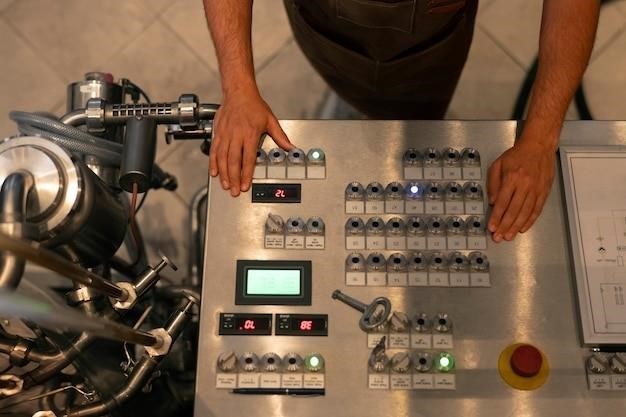
The Suburban SW6DE water heater’s thermostat controls the water temperature and operates on a range of settings. Typically, you’ll find markings like “Pilot,” “Low,” “Medium,” and “High.” The “Pilot” setting maintains a minimal temperature, preventing freezing without fully heating the water. “Low” provides a comfortably warm temperature suitable for moderate use, conserving energy.
“Medium” offers a balance between temperature and efficiency, ideal for general household needs. “High” delivers the hottest water, best for situations requiring rapid heating or larger volumes. Understanding these settings allows for customized comfort and energy savings. Note that the actual water temperature achieved at each setting can vary based on incoming water temperature and ambient conditions. Always test the water temperature at the faucet after adjusting the thermostat to ensure it meets your needs and safety standards.
Hot Water Usage Tips for SW6DE
Maximizing the efficiency of your Suburban SW6DE water heater involves mindful hot water usage. Shorten shower times to reduce overall consumption and consider installing low-flow showerheads and faucets. Repair any leaky faucets promptly, as even a small drip can waste significant amounts of hot water over time.
When washing dishes, avoid pre-rinsing excessively; scrape off food particles instead. Run the dishwasher and washing machine only with full loads to optimize water and energy use. Insulating hot water pipes, especially those running through unheated areas, minimizes heat loss. During extended periods of absence, consider lowering the thermostat setting to conserve energy. Regularly flushing the water heater removes sediment buildup, improving efficiency and extending its lifespan. These simple habits contribute to both cost savings and environmental responsibility.

Maintenance & Troubleshooting
Regular cleaning, winterization, and addressing issues like no hot water, pilot light problems, or strange noises are crucial for maintaining your Suburban SW6DE’s performance.
Regular Cleaning Procedures for SW6DE
Maintaining a clean Suburban SW6DE water heater is vital for optimal performance and longevity. Begin by turning off the gas supply and allowing the unit to cool completely. The burner assembly should be inspected regularly for debris, dust, and corrosion. Gently brush away any obstructions using a soft brush – avoid using abrasive cleaners or tools that could damage sensitive components.
The vent pipe should also be checked for blockages, ensuring proper exhaust flow. Inspect the water inlet and outlet connections for mineral buildup, which can restrict water flow. Flush the tank annually to remove sediment; this is especially important if you have hard water. A solution of water and vinegar can help dissolve mineral deposits. Finally, visually inspect the exterior for any signs of rust or damage, addressing them promptly to prevent further deterioration. Consistent cleaning extends the life of your SW6DE.
Winterizing the SW6DE Water Heater
Proper winterization is crucial to prevent damage to your Suburban SW6DE water heater during freezing temperatures. Begin by completely draining the water heater tank. Open the drain valve and allow all water to evacuate. Next, bypass the water heater and drain the plumbing lines to remove any remaining water that could freeze and cause cracks.
For extended periods of non-use, consider adding RV antifreeze specifically designed for potable water systems. Introduce the antifreeze through the water inlet, ensuring it circulates throughout the tank and lines. Do not use automotive antifreeze, as it is toxic. Disconnect the propane supply and ensure the area around the water heater is well-ventilated. Regularly check for leaks or damage during storage. Following these steps will safeguard your SW6DE against costly freeze damage.
Troubleshooting: No Hot Water
If your Suburban SW6DE water heater isn’t producing hot water, several factors could be at play. First, verify the propane supply is full and the valve is open. Next, check the pilot light – a common issue is a blown-out pilot. Follow the “Lighting the Pilot Light” instructions carefully. Ensure the thermostat is set to the desired temperature and hasn’t been accidentally turned down.
Inspect the circuit breaker (if applicable) to confirm it hasn’t tripped. A blocked vent can also prevent proper operation; clear any obstructions. If the water heater runs but the water remains cold, there might be a faulty thermostat or heating element. For persistent issues, consult a qualified technician. Remember, electronics can be finicky, and diagnosing the root cause can be difficult without specialized tools.
Troubleshooting: Pilot Light Issues
A frequently encountered problem with the Suburban SW6DE is a pilot light that won’t stay lit. First, ensure the area around the water heater is free from drafts, as these can extinguish the flame. Check the pilot assembly for dirt or debris, carefully cleaning it with a soft brush. If the pilot light lights but goes out when you release the control knob, the thermocouple may be faulty and require replacement.
Low propane pressure can also cause pilot light issues; verify your propane tank is adequately filled. Sometimes, the pilot orifice can become clogged, preventing a consistent flame. A qualified technician should address this. Remember, working with gas appliances requires caution; if you’re uncomfortable, seek professional assistance. Electronics within the system can sometimes contribute to intermittent pilot problems, making diagnosis tricky.
Troubleshooting: Strange Noises
Unusual sounds emanating from your Suburban SW6DE water heater can indicate several issues. Rumbling noises often suggest sediment buildup within the tank; flushing the tank regularly can resolve this; Whistling sounds might point to a restriction in the gas line or burner assembly, requiring inspection by a qualified technician.
Popping or banging sounds could indicate water rapidly heating and creating steam pockets around sediment. Clicking sounds, especially during ignition, may be normal, but persistent clicking without ignition suggests a faulty igniter or thermocouple. Remember that electronic components can sometimes cause finicky behavior. If the noises are accompanied by reduced hot water output or other performance issues, it’s crucial to address the problem promptly to prevent further damage or potential safety hazards.

Common Issues & GM Recalls (Related Vehicles)
Several GM vehicles, including Silverado, Suburban, and Tahoe models, have experienced recalls related to diesel engines, engine blocks, and electronic stability control systems.
GM Recall: Diesel Engine Issues (2020-2022 Silverado/Suburban/Tahoe)
A significant safety recall was issued by General Motors in November 2024, affecting diesel-powered 2020-2022 Chevrolet Silverado 1500, 2500, and 2500 pickups, as well as 2021 Suburban and Tahoe models. While seemingly unrelated to the SW6DE water heater itself, this recall highlights potential electrical system vulnerabilities within these vehicles.
The recall did not stem from faulty electronic brake control software, as initially speculated. Owners of affected vehicles were urged to be aware of this issue and to check for updates from GM regarding necessary repairs. It’s crucial to ensure all vehicle systems are functioning correctly, as electrical interference could theoretically impact other onboard components, though a direct link to the water heater hasn’t been established. Staying informed about GM recalls is vital for vehicle safety and longevity.
Contaminated Engine Blocks (2024 Silverado/Suburban/Tahoe/Sierra/Yukon)
In late August 2024, General Motors issued a “Stop Delivery” order to dealerships concerning specific 2024 model year vehicles – Silverado 1500, Suburban, Tahoe, Sierra 1500, Yukon, and Yukon XL – equipped with the 5.3L engine (RPO L84); The issue centers around contaminated engine blocks discovered during the manufacturing process.
While this engine block contamination doesn’t directly affect the Suburban SW6DE water heater’s functionality, it underscores the importance of quality control in vehicle production. Potential manufacturing defects in one area can raise concerns about other systems. Owners should be aware of this recall and verify if their vehicle is impacted. Maintaining a properly functioning vehicle electrical system is crucial, as unforeseen issues could indirectly affect the water heater’s operation. Staying updated on GM’s recall notices is highly recommended.
Service Traction Control/Stabilitrak Messages (Potential Electronic Issues)
Numerous Suburban owners have reported encountering “Service Traction Control” or “Service Stabilitrak” messages, often indicating underlying electronic system glitches. While seemingly unrelated to the SW6DE water heater, these messages highlight the complex electronic architecture of modern vehicles. A compromised vehicle electrical system can potentially impact various components, including the water heater’s control circuits or ignition source (if applicable).
These issues are often difficult to diagnose, as the root cause can vary significantly. It’s crucial to avoid dismissing these warnings, as they may signal a broader electronic problem. Addressing these electronic concerns promptly can prevent further complications and ensure the safe and reliable operation of all vehicle systems, including the Suburban SW6DE water heater. Professional diagnostics are recommended to pinpoint the source of the error.

Advanced Topics
This section delves into complex vehicle systems—wiring diagrams, liftgate/window issues, and engine replacement—potentially impacting Suburban maintenance and repair procedures.
Wiring Diagrams (Related to Vehicle Systems ⎻ 1999 Suburban Amp Harness)
While seemingly unrelated to the SW6DE water heater itself, understanding vehicle electrical systems can be crucial for diagnosing broader issues that might indirectly affect its operation. Specifically, owners of 1999 Suburban LS models often seek wiring diagrams for the factory amplifier harness. This harness, located near the steering column and antenna input, can present challenges when adding aftermarket audio equipment or troubleshooting existing sound system problems.
Information available online indicates a need for these diagrams when dealing with a malfunctioning amplifier or attempting to integrate new components. Though not directly tied to the water heater, a compromised vehicle electrical system could potentially lead to voltage fluctuations impacting the SW6DE’s control board (if equipped). Accessing and understanding these diagrams can aid in identifying shorts or open circuits that might contribute to unexpected vehicle behavior, even if not directly related to the water heater’s functionality.
Lift Gate/Window Issues (Potential Electrical Connections ─ 2007 Tahoe)
Although distinct from the SW6DE water heater’s operation, electrical issues within a 2007 Tahoe – particularly concerning the rear lift gate window – highlight the importance of a functioning vehicle electrical system. Reports indicate instances where the rear window ceases to operate, exhibiting no response when the button is pressed. This often occurs without any audible noise, suggesting a potential issue beyond a simple fuse.
Troubleshooting typically begins with checking the fuse box, but the absence of a blown fuse points towards a more complex problem. This could involve a faulty window motor, a wiring harness issue, or a problem with the lift gate control module. While seemingly unrelated to hot water, a widespread electrical fault could theoretically impact other vehicle systems, emphasizing the need for a comprehensive understanding of the Tahoe’s electrical architecture. Addressing these issues ensures overall vehicle functionality and prevents potential cascading failures.
Engine Replacement Considerations (Long-Term Vehicle Maintenance)
While seemingly unrelated to the Suburban SW6DE water heater, long-term vehicle ownership often presents difficult maintenance decisions, notably engine replacement. As Suburbans and Tahoes accumulate mileage, the question arises: repair the existing engine or opt for a replacement? This decision hinges on cost-benefit analysis, considering the vehicle’s overall condition and remaining lifespan expectations.
If a newer engine is readily available at a reasonable price, it can be a viable alternative to extensive repairs. However, factors like labor costs, potential compatibility issues, and the vehicle’s age must be carefully evaluated. A complete engine replacement represents a significant investment, and it’s crucial to determine if the benefits – extended vehicle life and improved reliability – justify the expense. Ultimately, a thorough assessment of the vehicle’s overall health is paramount before committing to such a substantial undertaking.